
Turning a one-time client into someone who keeps coming back isn’t about discounts or loyalty cards. It’s about making them feel seen, valued, and understood. Most businesses focus on acquiring new customers, but the real profit lives in the ones who stay. If you’re wondering why some clients never return after their first visit, the answer isn’t usually price-it’s experience. You don’t need a big budget to build loyalty. You just need consistency, care, and a few simple habits that most people overlook.
Take the example of a small boutique in Melbourne that started seeing repeat customers after the owner began remembering names and small details-like whether someone preferred green tea or black coffee during consultations. It sounds tiny, but that’s the kind of thing that sticks. Meanwhile, somewhere in London, a service provider offering euro girls escort london might seem unrelated, but the principle is the same: people return when they feel like more than a transaction. Even in industries where emotional connection feels distant, the human element still drives loyalty.
Start With the First Impression-It’s Not Just About Appearance
Your first interaction sets the tone, but not in the way you think. It’s not about how fancy your office is or how polished your website looks. It’s about whether the client walks away thinking, ‘They actually listened.’
Ask open-ended questions. Don’t just ask, ‘What do you need?’ Try, ‘What’s been the biggest challenge for you so far?’ Listen more than you talk. Nod. Pause. Let silence sit. People don’t remember what you said-they remember how you made them feel. And if they felt rushed or like just another number, they won’t come back.
One client in Adelaide told me she’d tried three different personal trainers before finding the one who asked about her sleep schedule and stress levels before even touching a dumbbell. That’s not fitness advice-that’s care. She’s been coming for two years.
Follow Up Like You Mean It
Most businesses send a generic ‘Thanks for your business!’ email and call it a day. That’s not follow-up. That’s a form letter.
True follow-up means checking in at the right time, with something meaningful. If you’re a web designer, send a note a week after launch asking how the site is performing and if they’ve had any questions. If you’re a plumber, text them three days later to see if the leak stayed fixed. If you’re a consultant, share a short article or tool that relates to their goal.
People remember when you remember. And they notice when you don’t.
Give Them a Reason to Talk About You
Word-of-mouth isn’t about asking clients to leave reviews. It’s about giving them something worth sharing.
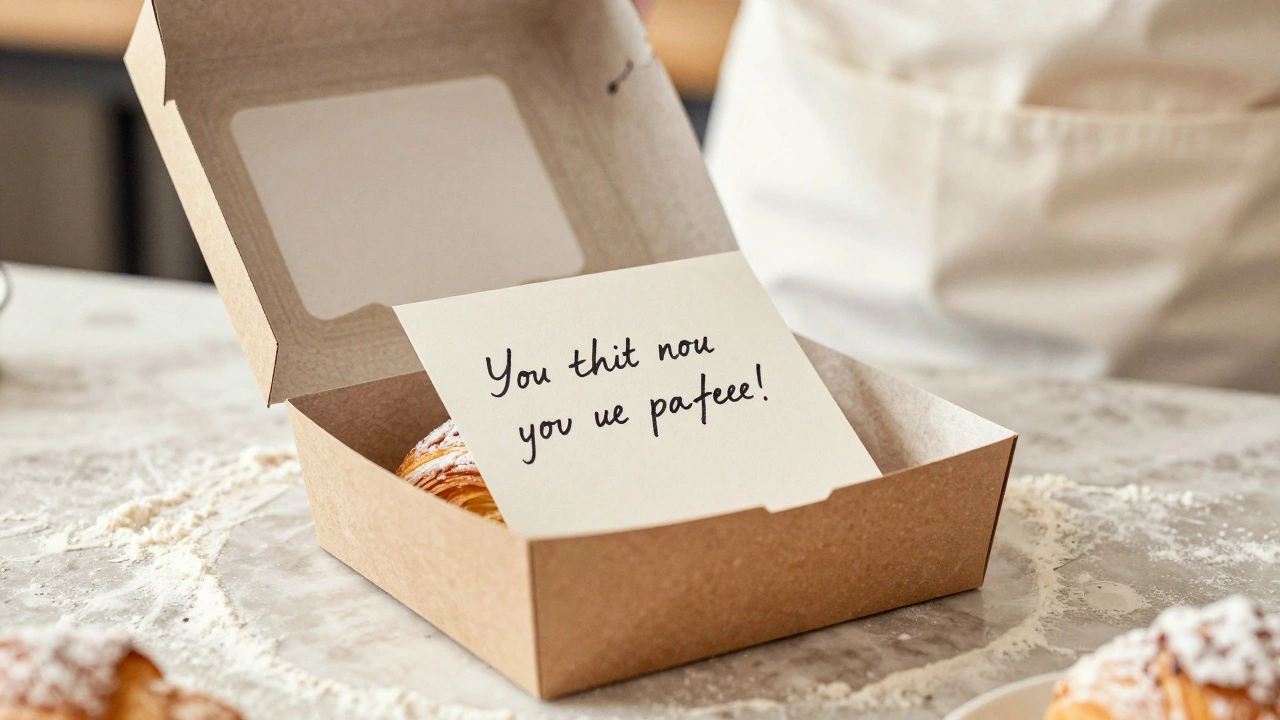
One bakery in Sydney started including a handwritten note with every order-sometimes a joke, sometimes a tip on how to best enjoy their pastry. They didn’t ask for social media tags. But customers started posting them anyway. Why? Because it felt personal. It felt human.
You don’t need to be a bakery to do this. A real estate agent could include a local coffee shop coupon. A fitness coach could send a 30-second video of a quick stretch. Something small. Something unexpected. Something that says, ‘I thought of you.’

Be Consistent-Even When No One’s Watching
Loyalty isn’t built on big gestures. It’s built on tiny, repeated actions.
Answer emails within 24 hours. Show up on time. Deliver what you promise. Don’t overpromise and underdeliver. Don’t change your process halfway through because you’re busy. Clients notice when you cut corners-even if they don’t say anything.
I once worked with a cleaning service that always left a fresh towel on the counter. No one asked for it. They just did it. Every time. The client didn’t leave a Google review. But she told five friends. And then she started referring her entire book club.
Consistency builds trust. And trust is the foundation of repeat business.
Make Them Feel Like Part of Something
People don’t just buy products or services-they buy belonging.
Create a sense of community. Invite your best clients to a private Q&A session. Send them an exclusive update before anyone else. Give them early access to new offerings. Name them as ‘Featured Clients’ (with permission) on your website or newsletter.
You don’t need a membership program. You just need to make them feel special. Even a simple ‘Thank you for being one of our first 100 clients’ note can make a huge difference.
One dentist in Perth started sending birthday cards with a small gift-a toothbrush, a floss sample, a handwritten note. Not a coupon. Not an ad. Just a card. His retention rate jumped by 40% in a year.
Handle Mistakes Better Than Anyone Else
No one’s perfect. You’re going to mess up. The question isn’t whether you’ll make a mistake-it’s how you’ll respond.
If you’re late with a delivery, call them before they call you. Apologize. Fix it. And add something extra-a free upgrade, a discount on the next service, a personal note.
One client of mine had a booking messed up by a scheduling error. Instead of just saying sorry, the business owner showed up at their door with coffee and a handwritten apology. The client didn’t just stay-they became the business’s biggest advocate.
People forgive mistakes. But they never forget how you handled them.
Don’t Forget the Little Things-They’re the Big Things
Here’s what really works:
- Remembering their kid’s name
- Not pushing for a sale during their first visit
- Replying to a text with more than just ‘OK’
- Asking how their weekend was
- Sending a holiday greeting that doesn’t look like it came from a template
These aren’t ‘nice-to-haves.’ They’re the reason people choose you over the cheaper, faster, or ‘better-reviewed’ option.
And yes-this takes time. It takes effort. But it’s the only way to build real loyalty.
There’s a reason why the most successful businesses aren’t the ones with the biggest ads. They’re the ones who made their clients feel like family. And that’s not something you can buy. It’s something you earn.
One more thing: don’t wait for the perfect system. Start with one client. One gesture. One follow-up. Do it well. Then do it again. And again. The rest will follow.
And if you ever find yourself wondering whether this stuff really matters-just ask yourself: who do *you* keep coming back to? And why?